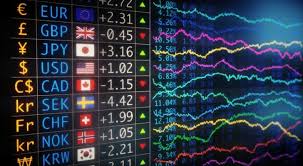
In the fast-paced world of forex trading, having a solid framework is essential for maximizing your success. The forex trading framework professional guidelines forex-level.com trading framework consists of comprehensive strategies that encompass market analysis, risk management, and emotional discipline. This article provides professional guidelines for traders looking to enhance their forex trading experience.
Understanding Forex Trading
Forex trading, or foreign exchange trading, involves buying and selling currencies in the global market. Unlike other financial markets, the forex market operates 24 hours a day, allowing traders to take advantage of price fluctuations at any time. Understanding the foundational principles of forex trading is crucial for those aiming to develop effective trading strategies.
The Importance of a Trading Framework
A trading framework serves as a blueprint for your trading activities. It combines various components that dictate how you will analyze the market, execute trades, and manage your investments. A well-structured framework helps traders to stay disciplined, make informed decisions, and adapt to changing market conditions.
Components of a Successful Trading Framework
-
Market Analysis:
Fundamental and technical analysis are two primary methods for analyzing currency pairs. Fundamental analysis involves evaluating economic indicators, geopolitical events, and central bank policies to forecast currency movements. Technical analysis focuses on price action and chart patterns to identify trends and entry/exit points.
-
Risk Management:
Effective risk management is essential for long-term trading success. This involves setting stop-loss orders, determining position sizes, and diversifying investments to mitigate potential losses. Traders should never risk more than they can afford to lose.
-
Trading Psychology:
Emotional discipline is critical in forex trading. Greed, fear, and overconfidence can lead to irrational decisions. Developing a strong mental approach to trading will help you stick to your strategy and maintain control over your emotions.
-
Trading Plan:
Your trading plan outlines your strategy, objectives, risk tolerance, and trading style. It serves as a guide to making consistent decisions based on predefined criteria. Regularly reviewing and adjusting your trading plan will keep it effective as market conditions evolve.
Steps to Building Your Trading Framework
1. Set Clear Goals
Your goals should be specific, measurable, achievable, relevant, and time-bound (SMART). For instance, you might aim to achieve a 5% return on investment within three months. Having clear goals provides direction for your trading activities.
2. Choose a Trading Style
Select a trading style that complements your lifestyle and personality. Day trading, swing trading, and position trading are some popular styles. Each has its own advantages and requires different commitments of time and risk tolerance.
3. Develop a Strategy

Your trading strategy should be based on thorough research. Test different strategies using a demo account before committing real capital. Ensure your strategy includes entry/exit criteria and risk management rules.
4. Paper Trading
Before trading with real money, engage in paper trading. This practice allows you to implement your strategies without financial risk. Analyze your performance and adjust your strategy accordingly.
5. Implement Risk Management Techniques
Establish rules for risk management, such as setting stop-loss and take-profit levels. Limit the amount of capital you risk on each trade to avoid significant losses that could derail your trading journey.
6. Continuously Evaluate and Adapt
Market conditions fluctuate regularly. Therefore, it’s crucial to continuously evaluate your trading performance and adapt your framework as necessary. Keep a trading journal to document your trades, thoughts, and outcomes for future reference.
Tools and Resources for Forex Trading
Various tools and resources can enhance your trading experience. These include:
-
Trading Platforms:
Choose a reliable trading platform that offers a user-friendly interface and essential features such as charting tools and real-time data.
-
Education and Training:
Invest in educational resources like online courses, webinars, and books. Continuous learning will help you stay updated with industry trends and improve your skills.
-
Market Analysis Tools:
Utilize tools that provide analytical insights, news, and economic calendars to make informed decisions.
Common Pitfalls to Avoid
Even with a well-structured trading framework, it’s essential to recognize common pitfalls that can undermine your success:
- Overtrading: Engaging in excessive trading can lead to burnout and increased transaction costs.
- Ignoring Economic News: Major economic announcements can significantly impact currency prices. Stay informed about important events.
- Lack of Patience: Forex trading is not a get-rich-quick scheme. It requires patience and perseverance to succeed.
Conclusion
Building a robust forex trading framework is crucial for any trader aiming to succeed in the competitive world of currency trading. By adhering to professional guidelines that prioritize analysis, risk management, and psychological discipline, traders can enhance their performance and work towards achieving their financial goals. Remember that consistency is key, so stay dedicated to your framework and continuously refine it to adapt to the evolving market landscape.
MEHR INFO